.png)
Designing Sustainable Spaces: Top Trends for 2026 and Beyond
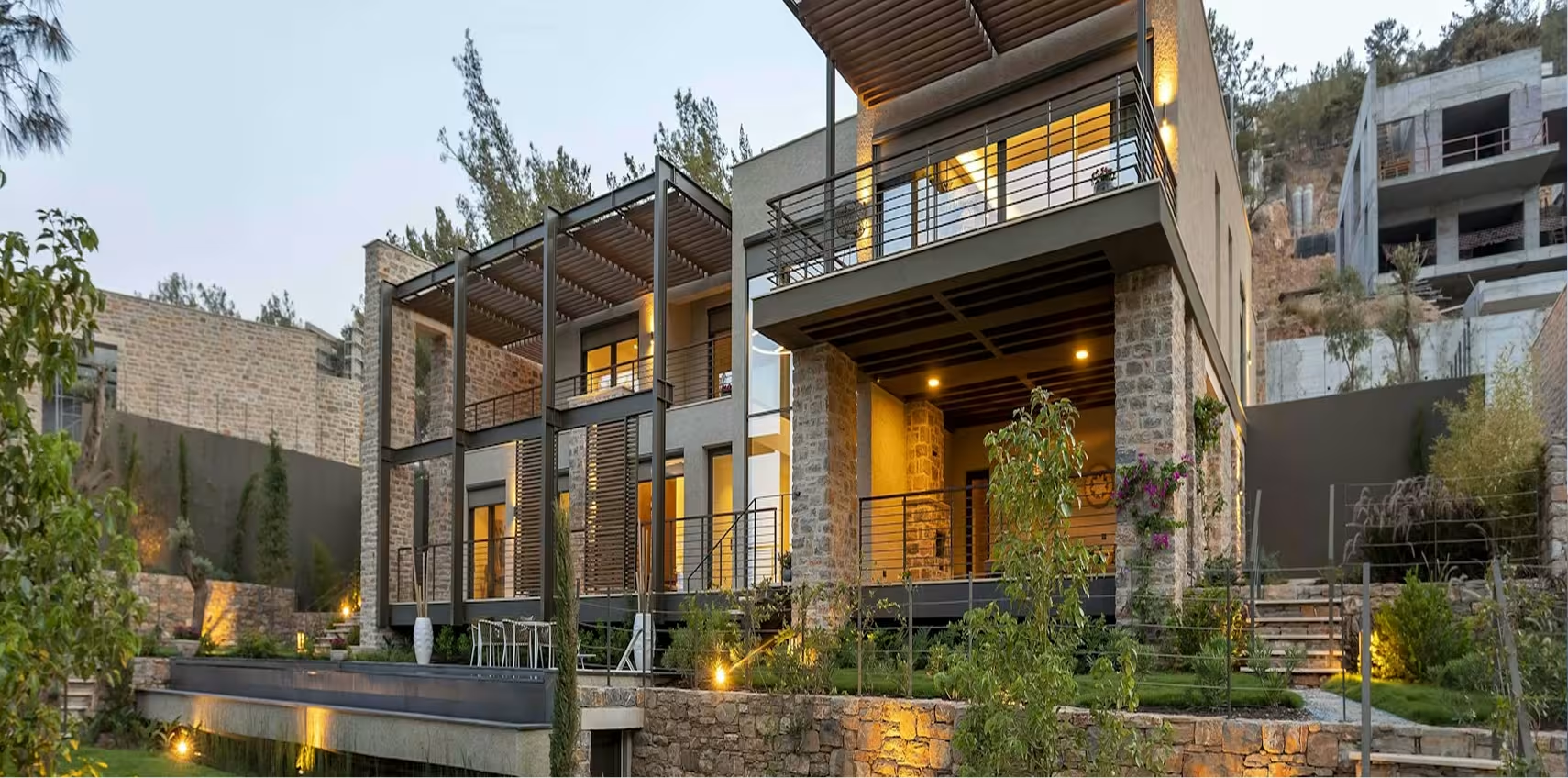
Beyond Green Buildings
Sustainable design in 2026 is no longer defined by a single certification or a solar panel on a rooftop. It has evolved into a comprehensive philosophy that touches every decision — from site selection and material sourcing to occupant experience and end-of-life planning. Architects and designers today are held to a higher standard, one that balances environmental responsibility with aesthetic excellence and functional performance.
Materials Leading the Change
The materials palette available to designers has expanded dramatically, driven by advances in material science and growing demand for low-impact alternatives. Specifiers are moving away from carbon-intensive inputs toward options that actively contribute to healthier buildings and lower lifecycle emissions.
- Recycled steel and reclaimed wood reducing virgin material consumption
- Mycelium-based insulation as a biodegradable alternative to synthetic foam
- Low-carbon concrete mixes cutting embodied carbon by up to 40 percent
- Rapidly renewable materials like bamboo and cork gaining mainstream adoption
Passive Design Strategies
Before specifying any mechanical system, leading firms are maximizing passive design potential. Strategic building orientation, optimized window-to-wall ratios, and high-performance thermal envelopes are reducing energy demand at the source. When a building is designed to work with its climate rather than against it, the result is lower operating costs, improved occupant comfort, and a significantly reduced carbon footprint over the building's lifetime.
Water as a Design Priority
Water scarcity is reshaping how designers approach building systems and landscape design. Greywater recycling, rainwater harvesting, and permeable paving are becoming standard inclusions rather than premium add-ons. In landscape design, drought-tolerant planting schemes and soil health management are replacing irrigation-heavy approaches, reducing water consumption while creating more resilient outdoor environments.
Community and Social Sustainability
Sustainability is no longer purely environmental. Designers in 2026 are increasingly asked to consider the social dimensions of their work — how a building serves its community, supports local economies, and contributes to long-term neighborhood wellbeing. Projects that integrate public space, prioritize accessibility, and source from local suppliers are increasingly recognized as models of truly holistic sustainable practice.
Looking Forward
The trajectory is clear: sustainable design is becoming the default, not the exception. Regulatory frameworks are tightening, clients are more informed, and the tools available to designers are more powerful than ever. The firms that will lead the next decade are those building sustainability into every layer of their process — not as a compliance exercise, but as a genuine expression of craft and responsibility.
.svg)